Phone Number
+92 300 3679943
Email Address
Insulationsystems.eps@gmail.com
Location
3km katar band road thokar niaz baig Lahore
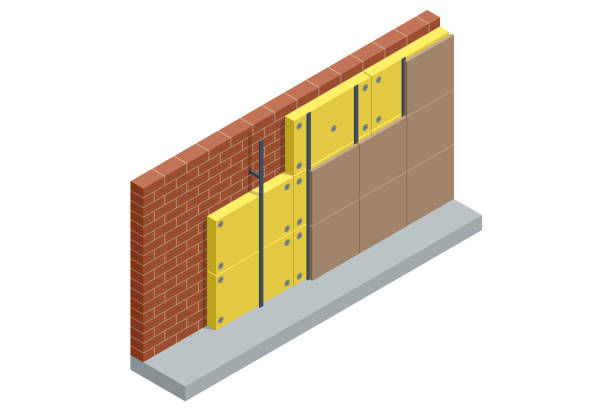
When it comes to modern construction and energy-efficient buildings, EIFS (Exterior Insulation Finish System) stands out as one of the best insulation for exterior walls. Whether you’re working on a commercial project or a residential renovation, understanding the EIFS system, its components like EIFS mesh, and EIFS wall system details can help you build better, stronger, and more sustainable structures.
EIFS, or Exterior Insulation Finish System, is a multi-layered wall insulation system used on the exterior walls of buildings. It provides superior thermal performance, moisture control, and aesthetic flexibility. Unlike traditional stucco, EIFS includes a continuous insulation layer that reduces energy loss and boosts efficiency.
A typical EIFS wall system consists of the following components:
Insulation Board – Usually made of expanded polystyrene (EPS), providing the core thermal insulation.
Adhesive or Mechanical Fasteners – Used to attach the insulation to the substrate.
EIFS Mesh (Reinforcing Mesh) – A fiberglass mesh embedded in a base coat to strengthen the surface and prevent cracking.
Base Coat – Applied over the mesh to create a durable protective layer.
Finish Coat – A decorative and weather-resistant acrylic-based layer.
Each layer plays a vital role in maintaining the structural and thermal integrity of the EIFS system.
The EIFS installation process requires expertise and precision:
Surface Preparation: Clean and inspect the wall.
Insulation Attachment: EPS boards are applied using adhesive or fasteners.
Base Coat Application: After setting the EIFS mesh into the base coat.
Finishing Touch: A final coat is applied for texture, color, and weather resistance.
Professional installation ensures longevity, moisture control, and energy savings.
Here’s why EIFS system is considered one of the best insulation for exterior walls:
Energy Efficiency: EIFS systems reduce thermal bridging, lowering energy bills.
Moisture Control: Properly installed EIFS resists moisture penetration.
Design Versatility: Can be textured or colored to match any architectural style.
Durability: Long-lasting and low maintenance.
The exterior wall insulation cost depends on:
Area size (square footage)
Thickness of insulation
Type of finish selected
Labor and installation charges
While EIFS installation might seem costly upfront, the long-term energy savings and reduced maintenance make it a cost-effective solution.
If you’re wondering how to insulate exterior walls, follow these steps:
Evaluate the building’s exterior condition.
Choose the right EIFS product type.
Hire certified EIFS installers.
Monitor the moisture and air sealing aspects.
Maintain your EIFS system regularly.
| Feature | EIFS System | Traditional Insulation |
|---|---|---|
| Thermal Performance | High (Continuous Insulation) | Moderate |
| Moisture Resistance | Excellent with proper install | Varies |
| Aesthetic Customization | High | Limited |
| Installation Time | Medium | Depends |
| Cost Efficiency (Long-Term) | High | Lower Initial, Higher Utility |
Whether you’re retrofitting an old building or constructing a new one, choosing the EIFS wall system can significantly boost your structure’s performance. With its layered protection, aesthetic appeal, and superior insulation, Exterior Insulation Finish System proves to be an intelligent investment in energy efficiency and sustainability.
If you’re planning to insulate exterior walls in Pakistan, now is the time to consider EIFS installation. It’s not just insulation—it’s innovation.
Polyurethane (PU) foam and extruded polystyrene (XPS) are among the most efficient insulation materials for exterior walls. They offer high R-values per inch, are moisture-resistant, and provide long-term thermal performance, making them ideal for hot and cold climates.
For exterior walls, the most commonly used insulation types include:
PU foam boards
XPS sheets
Rockwool panels (for fire resistance and soundproofing)
EPS sheets (cost-effective and lightweight)
The right choice depends on factors like climate, budget, building type, and whether fire or moisture resistance is a concern.
PU foam boards or high-density XPS are considered the best for exterior walls due to their high thermal resistance (R-value), durability, and low moisture absorption. For areas where fire safety and soundproofing are critical, rockwool is the preferred option.
A good R-value for exterior walls typically ranges from R-13 to R-30, depending on the climate. In Pakistan’s hot summers and cold winters, R-20 to R-30 is ideal for energy efficiency. PU foam provides the highest R-value per inch (about R-6 to R-7), making it a great space-saving option.
R-13 insulation is the minimum acceptable level for exterior walls in moderate climates. However, in areas with high heat or cold, it may not be enough. For better thermal performance in Pakistan, R-20 or higher is recommended to reduce energy bills and increase comfort.
The thickness of R-30 insulation depends on the material:
Fiberglass batts: 9 to 10 inches
Rockwool: around 8.5 to 9.5 inches
Spray foam (closed-cell): approx. 5 inches
Always check the manufacturer’s specs, as thickness can vary slightly based on density and compression.
