What is Glass Wool Insulation 2026?


Glass wool is a soft, fibrous insulation material made by melting sand and recycled glass at high temperatures, then spinning it into thin fibers. It’s lightweight, easy to install, and widely used in Pakistan for thermal and sound insulation.
Also known as fiberglass insulation, it is available in various forms: blanket rolls, slabs, pipe sections, and even pre-cut panels for HVAC ducts and ceilings.
Why Glass Wool is Popular in Pakistan
Due to Pakistan’s extreme summer heat, rising electricity costs, and poor soundproofing in construction, more homeowners and builders are turning to glass wool insulation. It offers:
- ✅ Excellent heat resistance (up to 450°C)
- ✅ Noise reduction in homes, offices, and commercial buildings
- ✅ Moisture resistance when faced with foil or vinyl
- ✅ Lightweight & non-combustible safety
In cities like Lahore, Karachi, and Islamabad, glass wool is now being installed in residential ceilings, commercial ducting, and generator rooms.
Common Applications of Glass Wool
Application Area | Usage Benefits |
Roofs & Ceilings | Reduces summer heat and improves room cooling |
Partition Walls | Acts as an acoustic barrier between rooms |
HVAC Ducts | Reduces heat gain and condensation |
Pipe Insulation | Maintains water temperature and prevents energy loss |
Generator Rooms | Noise control + fire resistance |
Available Forms of Glass Wool in Pakistan
1. Glass Wool Rolls (Blanket Form)
- Ideal for covering large flat areas like ceilings or duct surfaces
- Facings:
- FSK (Foil Scrim Kraft) – vapor barrier
- WMSK – white metalized sheet
- Vinyl/Tissue – for indoor aesthetics
Sizes:
- Width: 1m or 1.2m
- Length: 10m, 15m, or 20m
- Thickness: 25mm, 50mm
- Density: 16–48 kg/m³
2. Glass Wool Slabs
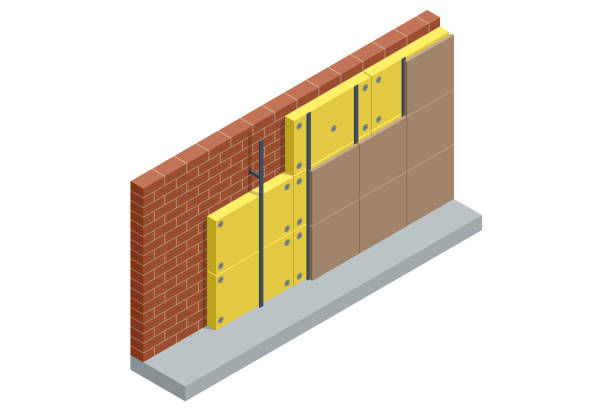
- Rigid pre-cut panels, perfect for wall insulation or partition systems
Features:
- Higher density for added soundproofing
- Can be installed vertically and horizontally
3. Glass Wool Pipe Sections
- Pre-molded cylindrical insulation for piping systems
- Maintains hot/cold water temperature in pipelines
- Faced with foil for industrial applications
Fire Resistance & Safety
One of the key reasons why industries and hospitals in Pakistan choose glass wool is its fire rating:
- Non-combustible
- Resists flame spread
- Complies with international safety standards (ASTM, ISO, BS)
✅ Perfect for use in high-risk areas like electrical rooms, kitchens, or industrial environments.
Benefits of Using Glass Wool in Pakistani Buildings
- 🧊 Thermal Comfort – Keeps heat out in summer, retains warmth in winter
- 🔇 Acoustic Insulation – Reduces unwanted noise transfer
- 🔥 Fire Safety – Doesn’t burn or produce toxic gases
- 💰 Energy Efficiency – Saves up to 30% on AC bills
- 🛠️ Easy to Install – Flexible, lightweight material
- 🌬️ Improves Indoor Air Quality – No harmful dust when properly faced
Price of Glass Wool in Pakistan (2026 Estimate)
Type | Thickness | Density | Price Range (PKR) |
Glass Wool Roll (FSK) | 25mm | 16 kg/m³ | 4000–5000 / roll |
Glass Wool Roll (Vinyl) | 50mm | 24 kg/m³ | 6000–7000 / roll |
Glass Wool Slab | 50mm | 48 kg/m³ | 1200–1500 / m² |
Pipe Sections | 25–75mm thick | 64–80 kg/m³ | Varies (custom) |
Note: Prices vary depending on thickness, density, and facing material. Contact local distributors for accurate pricing.
Where to Buy Glass Wool in Pakistan?
Recommended Supplier: BAS Group – Lahore
- Website: https://insulatonsystem.pk
- Offers full range: rolls, slabs, pipes, and faced insulation
- Supplies to contractors, builders, HVAC installers, and industries
- Nationwide delivery available
Contact: enquiry@basgroup.com.pk | 📱 0321-8454241
Installation Tips
- Use safety gear (gloves, mask, goggles)
- Avoid compressing material—air pockets help with insulation
- Seal joints properly to avoid gaps
- Use foil tape or mechanical fasteners for slabs and rolls
Glass Wool vs Other Insulation Types
Feature | Glass Wool | Rock Wool | Rubber Foam |
Temp Resistance | ✅ High | ✅ Very High | ⚠️ Medium |
Fire Resistance | ✅ Yes | ✅ Yes | ❌ No |
Moisture Resistance | ✅ With FSK | ✅ With facing | ✅ Yes |
Soundproofing | ✅ Good | ✅ Excellent | ⚠️ Limited |
Flexibility | ✅ Yes | ❌ Rigid | ✅ Flexible |
Final Thoughts
Glass wool insulation is one of the most cost-effective and versatile solutions for homes, offices, and factories across Pakistan. Whether you’re insulating a rooftop in Lahore or soundproofing an office in Islamabad, glass wool offers unbeatable value in terms of energy savings, comfort, and safety.
FAQ
What is glass wool used for?
Glass wool is used primarily for thermal and acoustic insulation in buildings, HVAC ducts, industrial equipment, and even appliances. It reduces heat transfer and dampens noise, making it ideal for both residential and commercial applications.
Can I touch glass wool?
While you can touch glass wool, it’s not recommended without protection. The tiny fibers can cause skin irritation, itching, or even respiratory discomfort if inhaled. Always wear gloves, a mask, and safety glasses when handling glass wool insulation.
What is another name for glass wool?
Another common name for glass wool is fiberglass insulation. Both terms refer to the same material made from spun glass fibers, though “glass wool” is more commonly used in the insulation industry, while “fiberglass” is a broader term.
What is the formula for glass wool?
Glass wool is made from silica (SiO₂), soda ash (Na₂CO₃), limestone (CaCO₃), and recycled glass. There’s no single “formula,” but the base composition includes:
Silica: 60–70%
Soda ash: ~15%
Limestone: ~10%
These are melted and spun into fine fibers to create glass wool.
What is glass wool insulation?
Glass wool insulation is a lightweight, fibrous material made from melted glass that is spun into fibers. It traps air within its structure, which slows down heat and sound transmission. It’s widely used in walls, ceilings, attics, and ducts to improve energy efficiency and comfort.
Which is better, glass wool or rockwool?
Both materials are effective, but they serve different needs:
Glass wool is lighter, cheaper, and more flexible, ideal for residential and light commercial projects.
Rockwool offers higher fire resistance, soundproofing, and moisture tolerance, making it better for industrial or high-risk applications.
Your choice depends on the environment and performance requirements.
What are the side effects of glass wool insulation?
If not handled properly, glass wool can cause:
Skin irritation or rashes
Eye discomfort
Throat or lung irritation from airborne fibers
These effects are usually temporary. Wearing proper protective gear during installation can prevent most side effects.
What is the difference between glass wool and fiberglass?
There is no major difference—glass wool is a type of fiberglass. The term “fiberglass” is broader and includes many glass-based fiber materials, while “glass wool” specifically refers to the form used for insulation, made by spinning molten glass into fine wool-like fibers.