Home / Services / Cold Storage Insulation

Cold Storage Insulation
in Pakistan — 2026

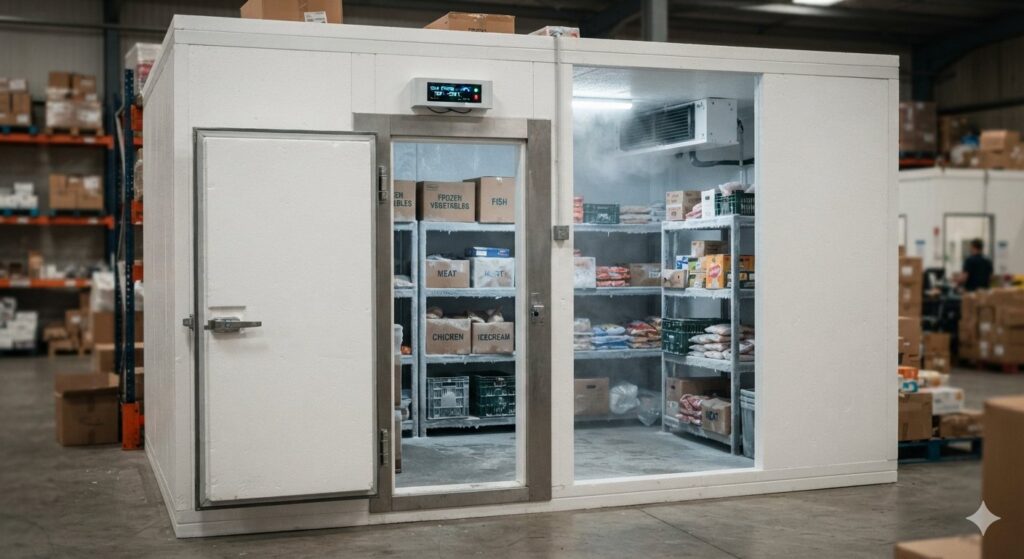
Whatever you're storing cold — fish, dairy, medicines, produce — the insulation underneath is what actually keeps your compressor from running nonstop. We supply the EPS and Jumbolon panels that go into cold room walls, ceilings, and floors across Pakistan, at prices that make sense for a single cold room, not just a large industrial contract.

Lower
Compressor energy use
30–40 kg/m³
Recommended density
<0.3%
Jumbolon water absorption
30–72 hrs
EPS box cold retention (50 mm box)
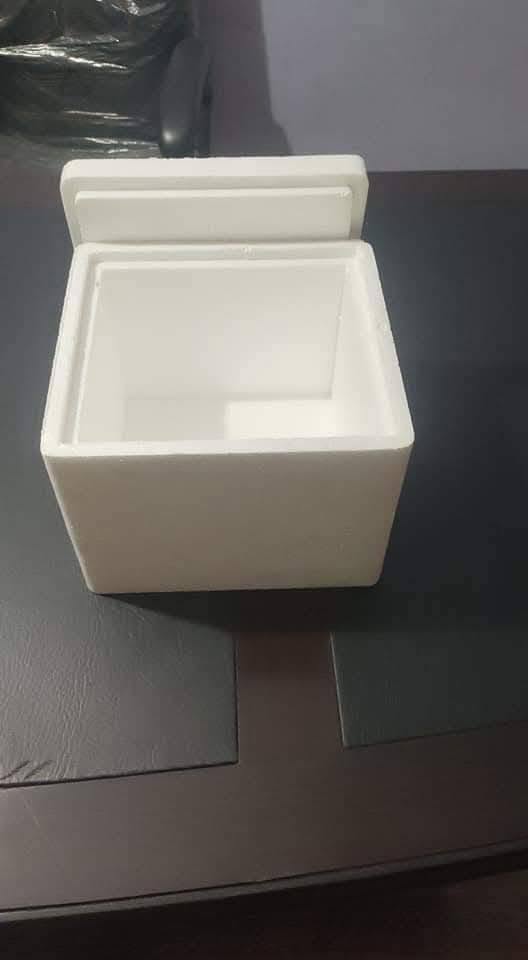
EPS insulated cold box Pakistan
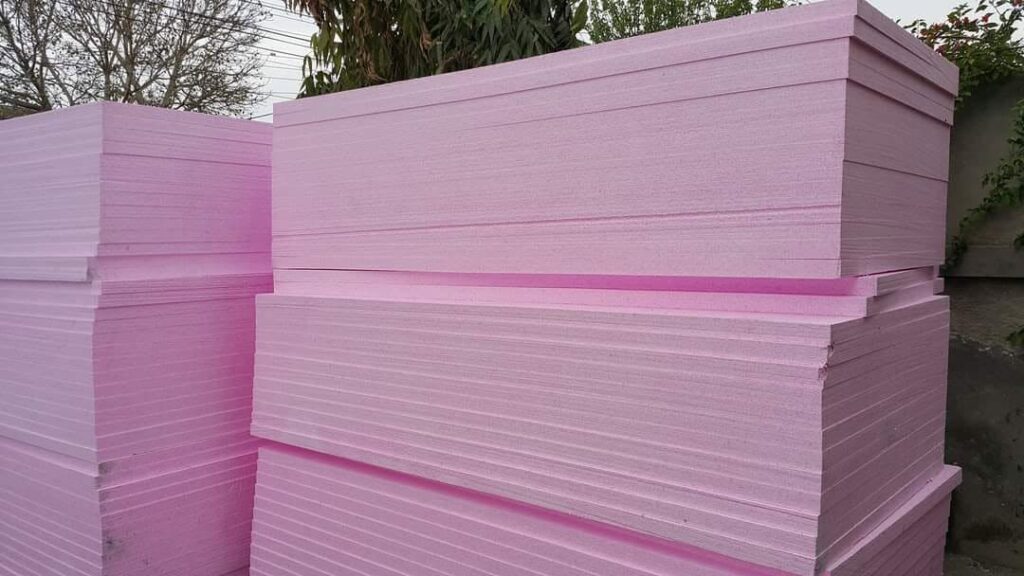
Jumbolon XPS board for cold room floorsEPS thermocol box
Why the insulation matters more than the compressor

A Bigger Compressor Doesn't Fix Bad Insulation

A lot of cold room owners in Pakistan, when their room runs warm, assume the refrigeration unit is undersized and upgrade it. Often the real problem is the walls — heat is leaking in through poorly insulated panels faster than the compressor can pull it back out, especially through a Lahore or Karachi summer where outside temperatures sit above 40°C for months.

The insulation layer in a cold room's walls, ceiling, and floor is what determines how hard that compressor has to work. Get the density and thickness right, and you can run a smaller compressor for less electricity and still hold your set temperature reliably. Get it wrong, and even an oversized unit will struggle on the hottest days.

What We Supply for Cold Storage:
  • ✓ High-density EPS sheets (30–40 kg/m³) for walls, ceilings, floors
  • ✓ Jumbolon (XPS) boards where moisture resistance matters most
  • ✓ Insulated EPS transport boxes for the "last mile" out of the cold room
  • ✓ Custom-cut panels and blocks to your exact room dimensions
📞 Discuss Your Cold Room💬 WhatsApp
Choosing the Right Material

EPS or Jumbolon — Which One for Your Cold Room?

We sell both, so here's the honest answer rather than a sales pitch toward whichever is more expensive.

EPS High-Density Sheet

Our standard recommendation for most cold rooms. At 30–40 kg/m³ density it gives solid thermal resistance at a price that makes sense for small-to-mid cold rooms — fish shops, dairy outlets, neighborhood butcher cold storage.

  • ✓ Good thermal performance for the price
  • ✓ Easy to cut and fit on site
  • ⚠ Absorbs some moisture over years of condensation exposure
See EPS / Thermocol Pricing →

Jumbolon (XPS) Board

Worth the extra cost for the floor of a cold room, or anywhere condensation will sit against the panel for years. XPS holds onto its R-value even when damp — EPS gradually doesn't.

  • ✓ Water absorption under 0.3% — keeps performing for decades
  • ✓ Higher compressive strength — handles foot traffic on cold room floors
  • ✓ Best choice for floors and anywhere condensation collects
See Jumbolon Pricing →
Our actual recommendation for most projects: EPS for walls and ceiling, Jumbolon for the floor. That mix gets you the moisture-resistance where it matters most (underfoot, where condensation pools) without paying XPS prices on every surface.

Typical EPS thickness by cold room type

Room typeTypical EPS thicknessNote
Chiller (+2 to +8 °C)3"–4" (75–100 mm)30–40 kg/m³
Freezer (−18 °C)4"–6" (100–150 mm)30–40 kg/m³; Jumbolon for the floor
Deep freezer (−25 °C and below)Engineering check requiredPU or Jumbolon often preferred

Final thickness depends on room size, ambient temperature and door usage. Get an engineering check before ordering.

Who This Is For

Cold Storage Across Pakistan's Cold Chain

🐟

Fish & Seafood Markets

From Karachi harbor cold rooms to retail fish counters — keeping catch fresh from boat to buyer depends on a properly insulated room, not just a strong compressor.

🥛

Dairy Storage & Distribution

Milk, cheese, and yogurt cold rooms need consistent temperature around the clock — even a brief warm spell affects shelf life.

💊

Pharmaceutical Cold Storage

Temperature-sensitive medicines need tight, reliable temperature control — the insulation is what keeps that control stable when the power flickers.

🥩

Meat & Poultry Cold Rooms

Butcher shops and poultry processors rely on cold storage that doesn't let temperature swing during daily door traffic.

🥭

Fruit & Vegetable Storage

Extends shelf life for produce held before market or export — especially mangoes and other fruit moving to Gulf and European buyers.

🏭

Food Processing Plants

Processing and packing facilities for dairy, bakery, and frozen food where multiple cold zones need to be insulated consistently.

Don't Forget the Last Mile

Your Cold Room Isn't the Whole Cold Chain

A well-insulated cold room keeps your stock cold while it sits in storage — but the moment it leaves for delivery, transport, or a market stall, that protection ends unless you're using insulated transport too. This is where our EPS thermocol boxes come in — they're the cold room's job continued out the door.

A 50mm-wall EPS box with ice gel packs holds cold for 30–48 hours; with dry ice, 48–72 hours. For fish, dairy, or pharma deliveries leaving Lahore for other cities, that's the difference between product arriving fresh and arriving spoiled.

See EPS Box Pricing & Sizes →
EPS thermocol insulated box
A Few Things Worth Knowing

What Actually Affects Cold Room Performance

🚪

The Door Matters as Much as the Walls

A poorly sealed cold room door lets in more heat than a slightly thinner wall panel. Make sure door seals and strip curtains are part of the conversation, not an afterthought.

🧱

Joint Sealing Isn't Optional

Gaps between panels are where insulation actually fails in practice — not in the panel material itself. Every seam needs proper sealing or you're leaking cold air at every joint.

💧

Vapor Barriers Prevent Slow Failure

Without a vapor barrier, moisture works its way into the insulation over months and years, gradually reducing its effectiveness even if nothing looks wrong on the surface.

📏

Floor Insulation Gets Skipped Too Often

Heat moving up through an uninsulated floor is a common, overlooked source of cold room inefficiency — don't insulate the walls and ceiling and skip the floor.

⚡

Right-Size the Compressor After, Not Before

Get the insulation specified properly first, then size the refrigeration unit to match — not the other way around. A correctly insulated room needs less compressor than people assume.

🔧

We Advise, You Decide

Tell us your room size, what you're storing, and target temperature — we'll recommend a thickness and density honestly, even if that means a smaller order than you expected.

Our Products

Cold Storage Boxes & Insulation Materials

Insulated boxes and high-density insulation boards for cold rooms and cold chain transport.
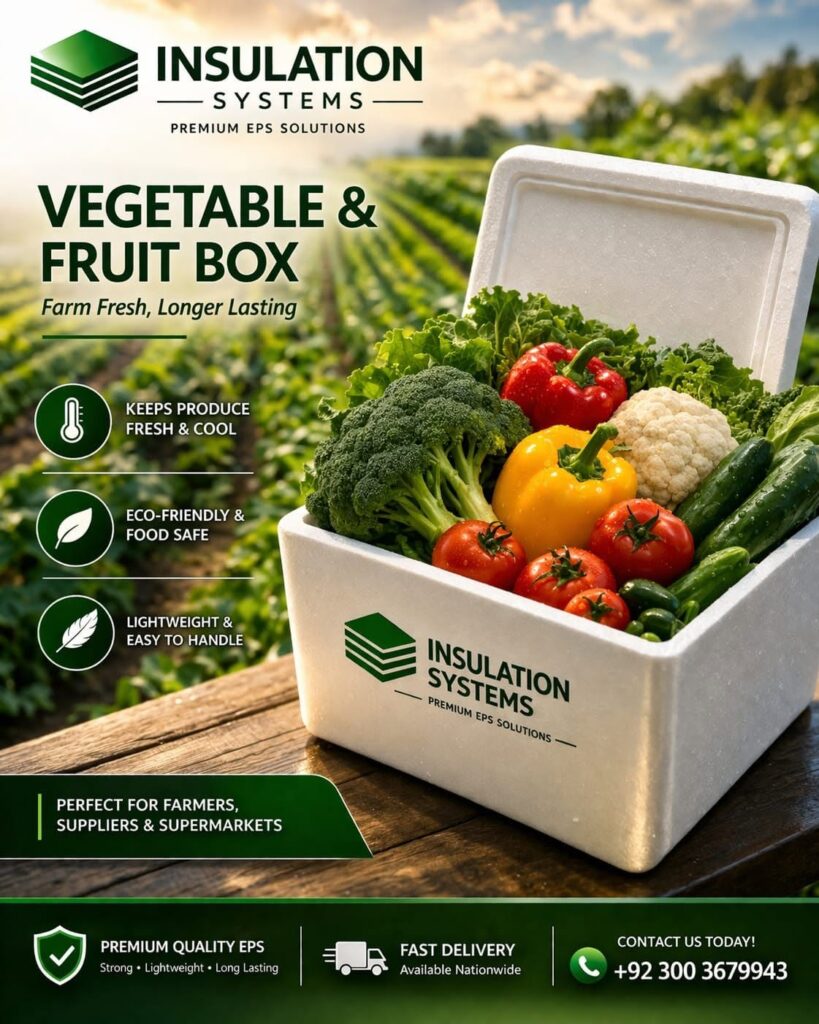
Vegetable & Fruit Box
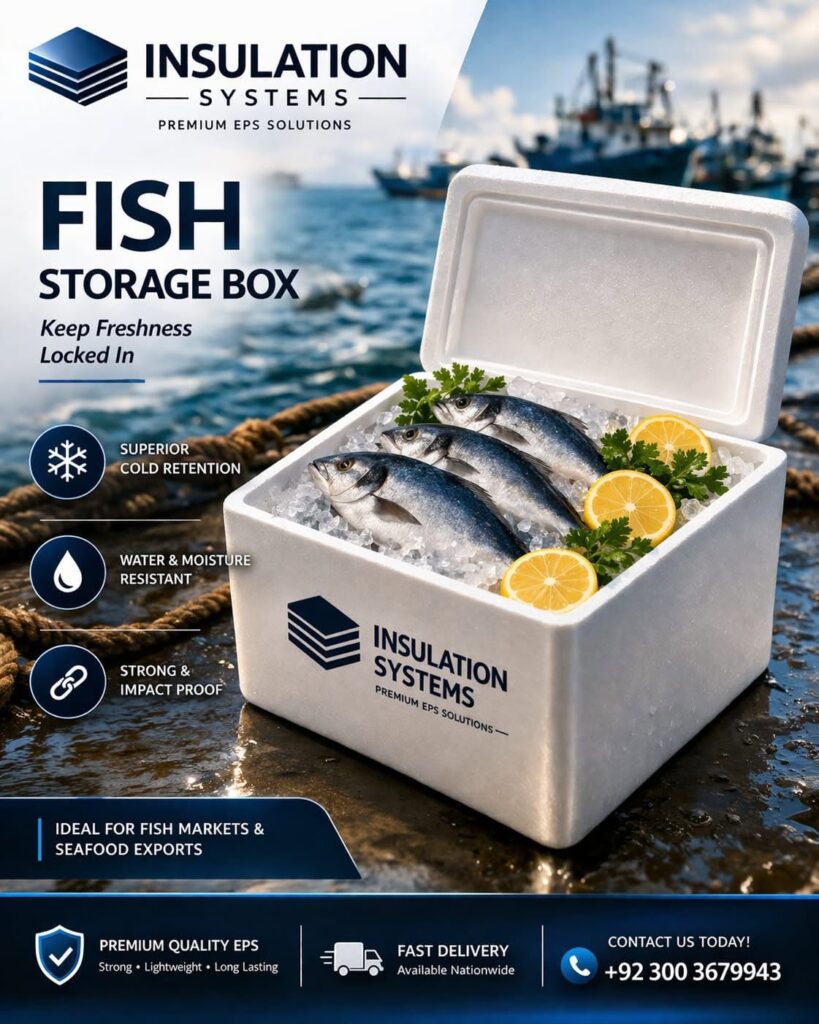
Fish Storage Box
Fish Storage Box
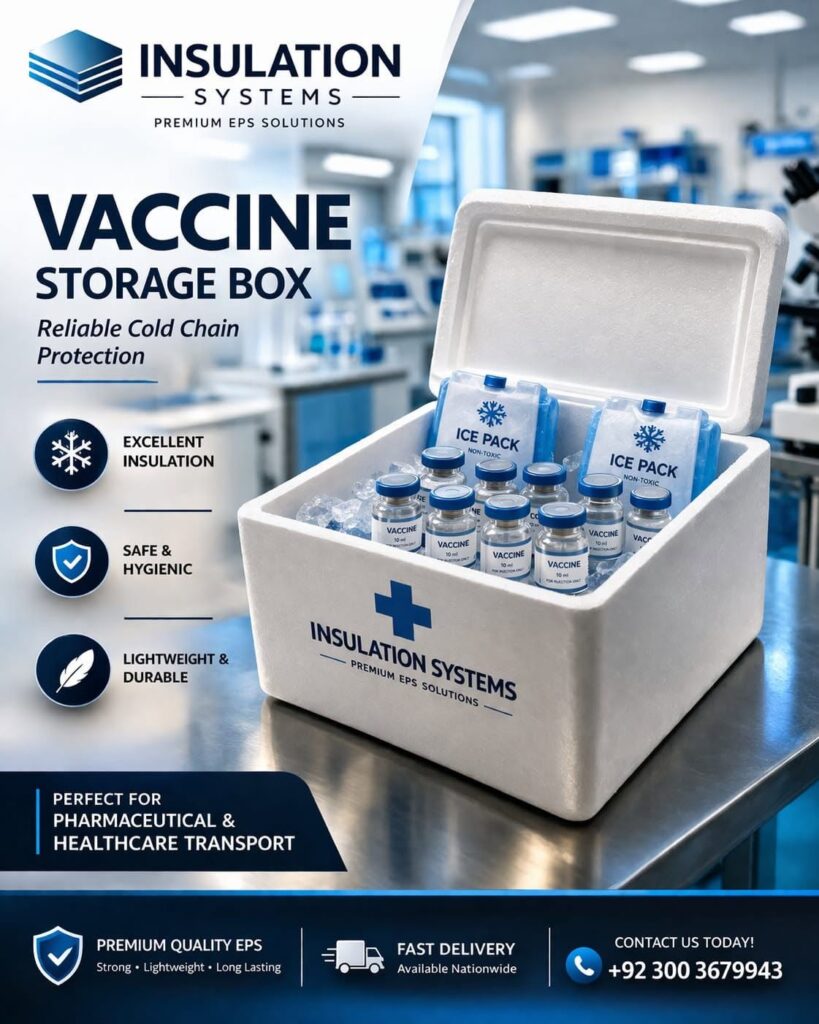
Insulated Storage Box
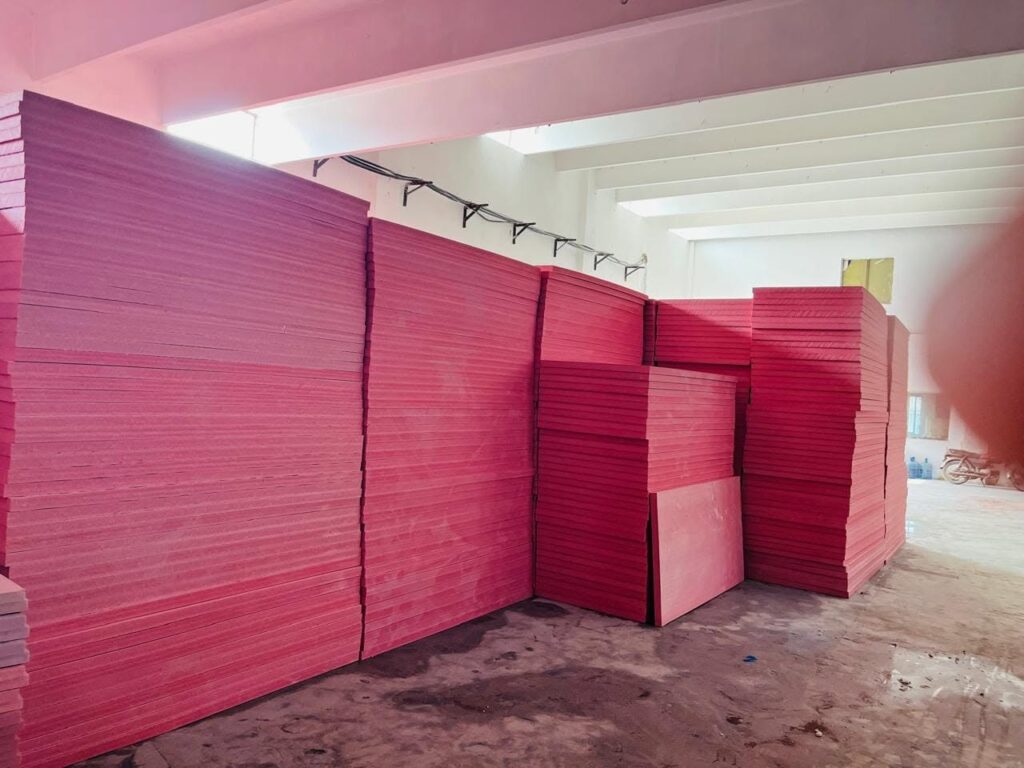
XPS insulation boards for cold rooms
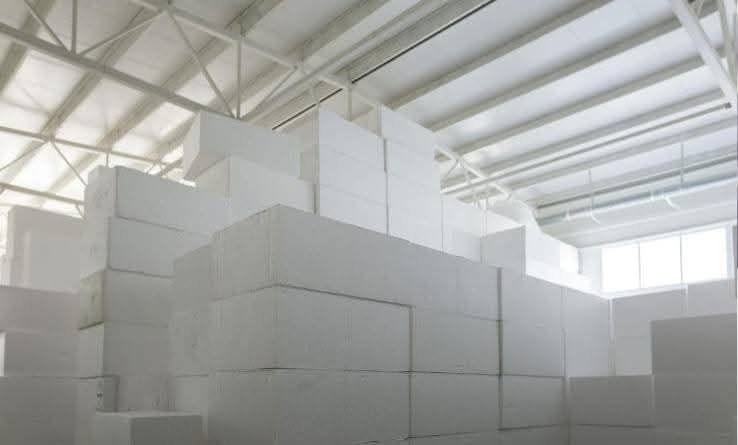
EPS blocks for cold storage panels
Stacked high-density insulation boards
FAQ

Cold Storage Insulation — Common Questions

What thickness of EPS do I need for a cold room?

It depends on your target temperature, the room size, and what you store. As a general guide, chiller rooms (above freezing) need less thickness than freezer rooms, and colder set-points call for thicker, higher-density panels (we recommend 30–40 kg/m³ EPS). Send us your room size, what you are storing, and the target temperature and we will recommend a thickness and density.

Why does my cold room compressor run constantly even though it's not that old?

In most cases the compressor is not the problem — heat is getting in. Common causes are poorly insulated or unsealed panel joints, a worn door seal, an uninsulated floor, or a missing vapor barrier that lets moisture into the insulation over time. Fixing the insulation usually helps more than upgrading the compressor.

Should I use EPS or Jumbolon for my cold room?

For most projects we recommend EPS for the walls and ceiling and Jumbolon (XPS) for the floor. That mix puts the moisture-resistant material where condensation collects and strength is needed, without paying XPS prices on every surface.

Can you supply insulation for a small cold room, or only large industrial projects?

Yes — we supply for a single small cold room just as readily as for larger projects. Panels and blocks can be custom-cut to your exact room dimensions.

How do I keep products cold during the delivery between my cold room and the customer?

Use insulated EPS thermocol boxes. A 50mm-wall EPS box with ice gel packs holds cold for 30–48 hours, and with dry ice for 48–72 hours — enough for fish, dairy, or pharma deliveries leaving Lahore for other cities.

Do you also supply the refrigeration unit, or just the insulation?

Our focus is the insulation — EPS and Jumbolon panels and insulated EPS transport boxes. We recommend specifying the insulation first and then sizing the refrigeration unit to match; call or WhatsApp us to discuss your setup.

Do you deliver cold storage insulation outside Lahore?

Yes. Lahore is our home base, but we supply cold storage insulation to other cities across Pakistan. Call or WhatsApp +92 300 3679943 with your city and requirements.

Building or Fixing a Cold Room?

Tell us your room size, target temperature, and what you're storing — we'll recommend the right material and thickness honestly.

📞 +92 300 3679943💬 WhatsApp for Advice📝 Get Quote

Photos from Our Work

Cold storage insulation project with EPS panels
White EPS thermocol ice box with lid for food and fish storage
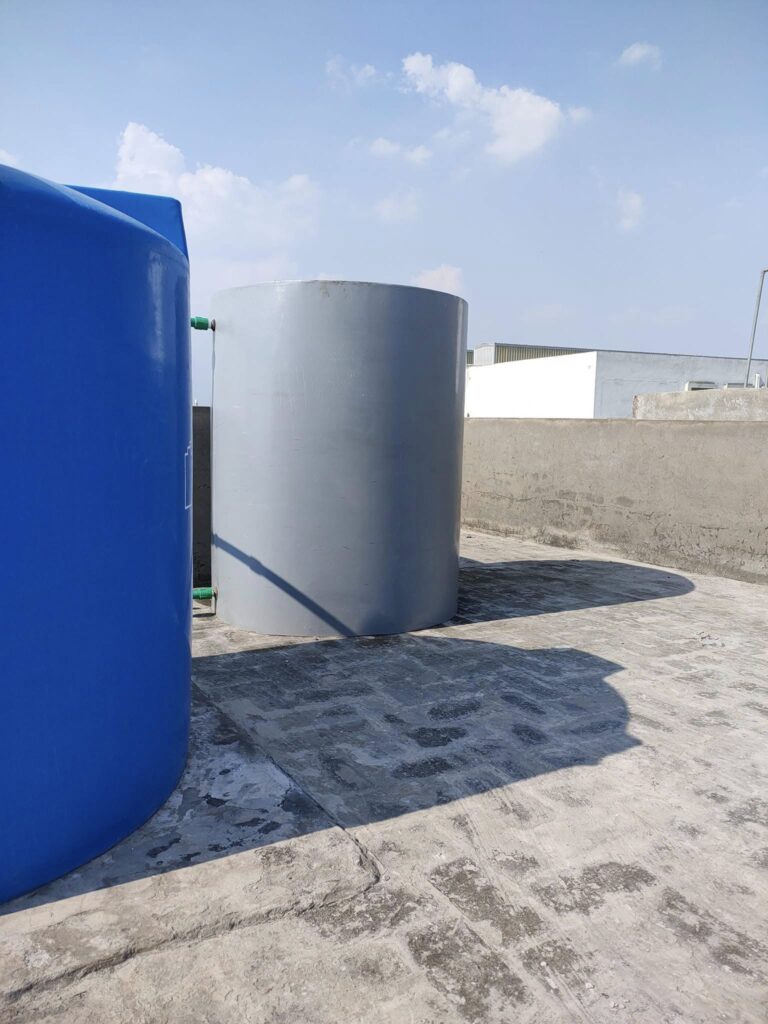
EPS insulated smart water tank installation
Call Now Button