
How to Use Thermopore Blocks for Insulation?
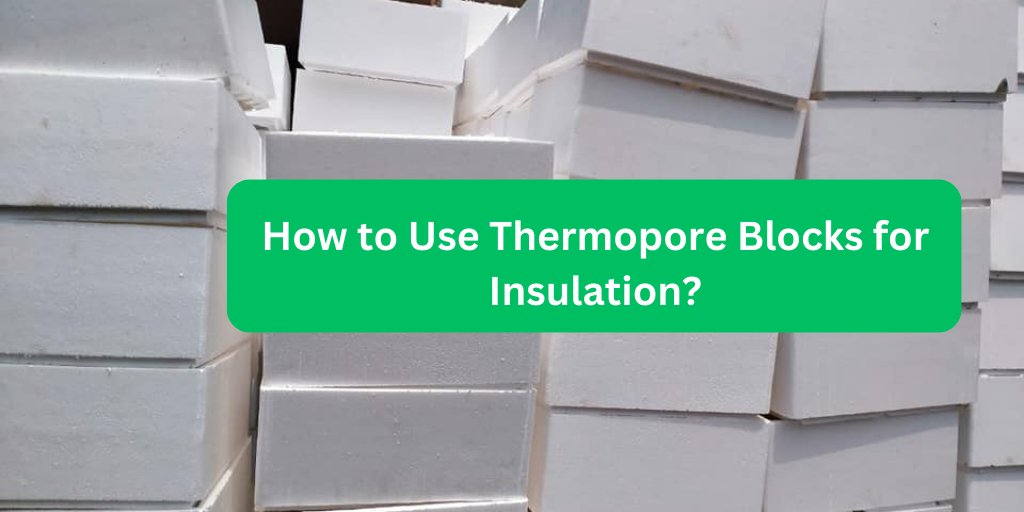
Insulating your home or workplace is an essential step to reduce energy consumption, keep the building comfortable, and save money. When it comes to insulation materials, thermopore blocks are an excellent option due to their high thermal resistance, durability, and ease of installation. we will guide you on how to use these blocks for insulation, from selecting the right type to installing them correctly
What are Thermopore Blocks?
These are also known as EPS blocks or XPS blocks, are rigid foam insulation materials made of polystyrene. The term “thermopore” is a brand name for EPS blocks commonly used in South Asia. These blocks have a closed-cell structure that traps air, providing high thermal resistance, which makes them an effective insulation material for buildings.
What are the Benefits of Using Thermopore Blocks for Insulation?
These have many advantages that make them a popular insulation material. Some of these benefits include:
High thermal resistance: These have a high R-value, measuring the material’s heat flow resistance. The higher the R-value, the more effective the insulation is.
Durability: These blocks are resistant to moisture, mold, and insects, making them long-lasting and low maintenance.
Easy to install: These Thermocol blocks are lightweight and easy to cut, shape, and install, making them a popular choice for DIY projects.
Cost-effective: These are an affordable insulation material compared to other options, and their energy-saving benefits can result in significant long-term savings on utility bills.
What are the Types of Thermocol Blocks?
Two main types of thermopore blocks are used for insulation: Expanded Polystyrene (EPS) and Extruded Polystyrene (XPS).
1) Expanded Polystyrene block (EPS Block)
Expanded Polystyrene thermopore blocks are made of small beads of polystyrene that are expanded using steam and molded into large blocks. These blocks have a lower density and thermal resistance than XPS blocks but are more affordable and easier to handle.
2) Extruded Polystyrene block (XPS Block)
XPS blocks are made of polystyrene pellets that are melted and extruded into dense, closed-cell foam blocks. These blocks have a higher density and higher thermal resistance than EPS blocks but are more expensive and harder to handle.
How to Choose the right Thermocol Block?
Choosing the right type of thermocol blocks depends on several factors, such as the location, climate, and budget. EPS blocks are suitable for interior walls, ceilings, and floors, while XPS blocks are ideal for exterior walls and roofs that require higher thermal resistance. Consider the R-value, density, and fire resistance when selecting the blocks. Consult with a professional insulation contractor or supplier to determine the most suitable type of blocks for your specific insulation needs.
Preparing for installation
Before installing these blocks, you need to prepare the surface and calculate the required amount of blocks.
Measuring and calculating the required amount of blocks
Measure the area to be insulated, including the length, width, and height of the walls, ceiling, or floor. Multiply these measurements to calculate the total square footage of the area. Then, divide the total square footage by the square footage of one thermopore block to determine the required number of blocks.
Cleaning the surface
The surface should be free of dust, debris, and any other materials that may interfere with the adhesion of the blocks. Use a stiff-bristled brush or a pressure washer to clean the surface thoroughly.
How to Install the Thermocol Block for Insulation
Once you have prepared the surface and calculated the required amount of thermopore blocks, you can start the installation process.
Applying adhesive
Apply a high-quality adhesive to the surface using a trowel or a putty knife. Spread the adhesive evenly, covering the entire surface area where the blocks will be installed.
Fitting the blocks
Place the thermocol blocks firmly onto the adhesive, starting from the bottom row and working upwards. Fit the blocks tightly together, leaving no gaps or spaces.
Cutting the blocks
Cut the blocks using a handsaw or a hot wire cutter to fit them around corners, windows, doors, or any other obstacles. Make sure the blocks are cut precisely to ensure a tight fit.
Filling gaps and joints
Fill any gaps or joints between the blocks using a sealant or an expanding foam insulation material. This will prevent air leakage and enhance the insulation’s effectiveness.
Finishing touches
After installing the thermopore blocks, you can add finishing touches to complete the insulation.
Applying plaster
Apply a layer of plaster over the thermopore blocks to create a smooth surface. Use a trowel to spread the plaster evenly, and let it dry completely before painting or decorating.
Painting
Paint the plastered surface using a high-quality paint that is suitable for the insulation material. This will not only enhance the appearance of the insulation but also protect it from moisture and damage.
Maintenance and care
These blocks require minimal maintenance and care. Clean the surface regularly using a soft brush or a vacuum cleaner to remove dust and dirt. Avoid using hard chemicals or abrasive materials that may damage the insulation.
Insulating your building using thermocol blocks is an excellent way to reduce energy consumption, increase comfort, and save money. With proper selection, installation, and maintenance, thermocol blocks can provide long-lasting and effective insulation for your home or workplace. Consult with a professional insulation contractor or supplier to ensure the best results and enjoy the benefits of thermopore block insulation.
Frequently Asked Questions (FAQs)
Can I install thermopore blocks myself, or do I need to hire a professional?
These are relatively easy to install, but it is recommended to consult with a professional insulation contractor or supplier to ensure proper installation and maximum effectiveness.
How long do thermopore blocks last?
These blocks can last up to 50 years or more with proper maintenance and care.
Are thermopore blocks fire-resistant?
Thermocol blocks are not fire-resistant, but they are self-extinguishing and do not contribute to the spread of flames.
Can I use thermopore blocks for soundproofing?
Thermocol blocks have limited soundproofing capabilities but can help reduce noise to some extent.
Can thermopore blocks be recycled?
Yes, these blocks can be recycled and reused, making them an environmentally friendly insulation option.
